SOFTWARE ARCHITECTURE
Introduction to Software Design
Discover the key principles and methodologies of Software Design to create maintainable, scalable and reliable software

Software design, or Software Design, is a crucial step in software development. It represents the process of transforming functional and non-functional requirements into a clear, coherent and feasible software architecture. Software Design is not just limited to organizing code: it is about structuring the components of a system to guarantee its maintainability, scalability and reliability.
In this article, we will explore the fundamental concepts of Software Design, its key principles, methodologies, and why good design is essential for any software project.
What is Software Design?
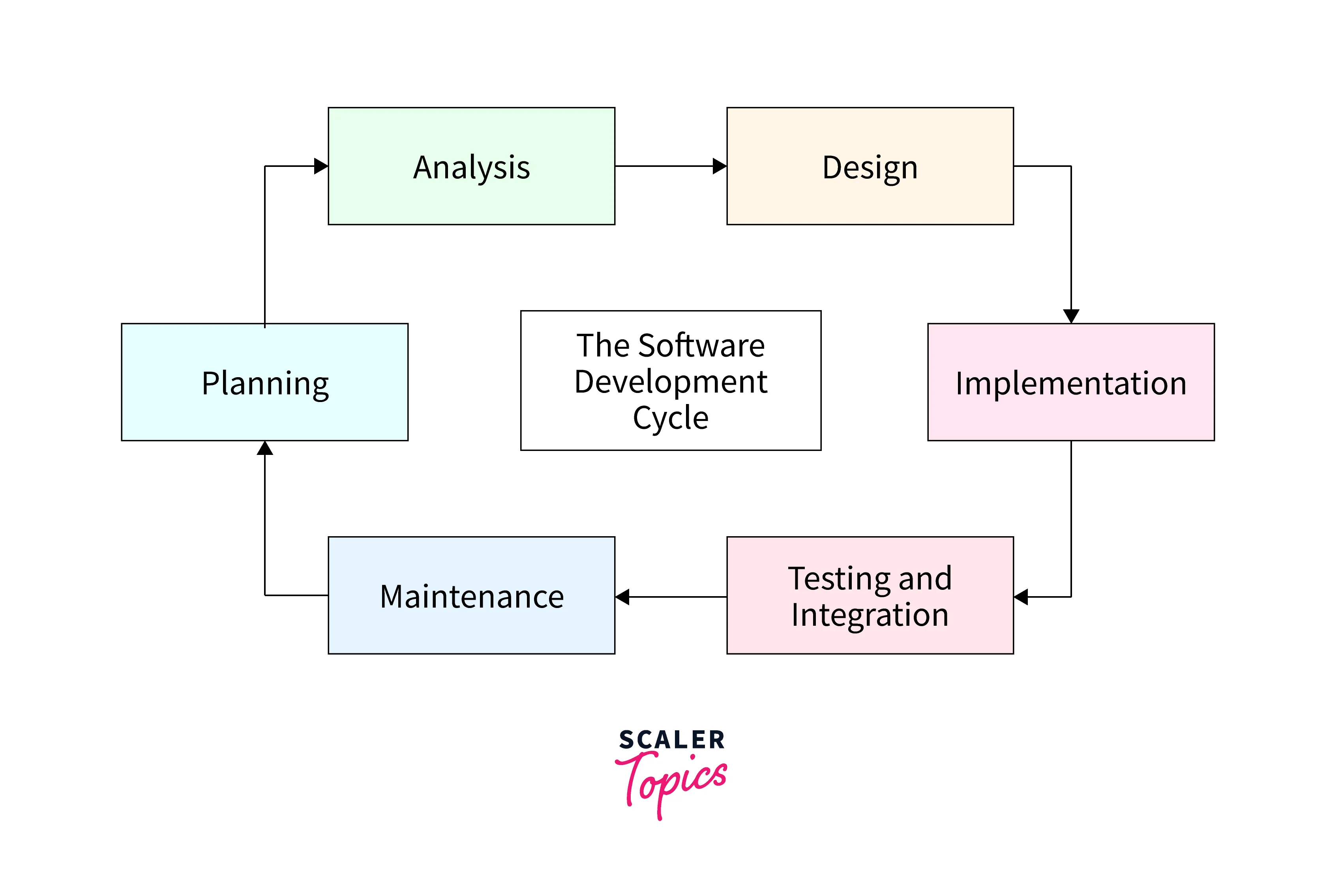
Software Design is the art and science of planning and defining the architecture and components of software before starting to write code. This involves:
-
Analyze needs: Understand the system objectives and constraints (time, resources, performance).
-
Create an architecture: Organize the different parts of the system, such as modules, interfaces, and databases.
-
Define interactions: Describe how components interact with each other and with users.
Software design can be done at two levels:
-
High-Level Design: Definition of the overall architecture, the main modules and their interactions.
-
Low-Level Design: Specifying the details of each component, such as algorithms, classes, and methods.
The fundamental principles of Software Design
To ensure well-designed software, several principles must be respected:
-
Modularity
Breaking the system into independent modules makes it easier to understand, test, and maintain the code. -
Cohesion and Coupling
-
High cohesion: Each module should be focused on a single responsibility or task.
-
Weak coupling: Modules must minimize their dependencies to reduce the impacts of changes.
-
-
Separation of Concerns (SoC)
Separate the different responsibilities (UI, business logic, data access) to prevent a change in one part from affecting other parts. -
Reusability
Design components that can be reused in other projects to save time and resources. -
Open/Closed Principle (OCP)
Modules should be open to extensions but closed to modifications, allowing functionality to be added without disrupting existing code. -
Single Responsibility Principle (SRP)
Each class or module should only have one responsibility. -
DRY (Don’t Repeat Yourself)
Avoid code duplication to make changes easier.
Software design methodologies
-
Top-Down vs. Bottom-Up
-
Top-Down: Start with the overall vision (architecture) and go down into the details.
-
Bottom-Up: Design detailed components before integrating them into a larger architecture.
-
-
Iterative approach
The design evolves in several iterations, with continuous feedback, often used in agile methodologies. -
Design Patterns
Design Patterns are reusable solutions for common design problems. Examples: Singleton, Factory, Observer. -
Clean Architecture
Proposed by Robert C. Martin, this approach ensures that dependencies always flow from external layers (infrastructure, frameworks) to the central core (business logic).
Why is Software Design important?

-
Scalability
Good design ensures that your software can evolve without requiring massive rewrites. -
Ease of maintenance
A clear design reduces maintenance and bug fixing costs. -
Effective collaboration
A well-documented architecture makes it easy for the entire team to understand the system. -
Better software quality
Well-designed software is generally more reliable, more efficient and more secure.
Design for success
Software Design is an essential discipline for any developer or architect wishing to build robust and long-lasting software. By applying the right principles and methodologies, you can transform a simple idea into a powerful and scalable software system. Whether you are new or experienced, investing time in software design is always a winning decision.